
The Man Who Photographed an Entire Country's Face
August Sander and the Weimar Republic
Imagine trying to take a single photograph that captured what an entire country looked like — not one famous person, not one dramatic moment, but everyone: the baker, the bricklayer, the widow, the soldier, the circus performer, the industrialist. Not posed like royalty. Not lit like a Hollywood still. Just... looked at, directly, exactly as they were.
That's roughly what August Sander spent decades trying to do.
A Country Trying to See Itself Clearly
To understand why Sander's photographs matter, you have to understand the Germany he was working in. After the catastrophe of the First World War and the collapse of the German Empire, the country that emerged — the Weimar Republic — was unstable, broke, and disoriented. Old certainties about class, status, and national identity had been shattered.
Out of that instability came an artistic response called New Objectivity (Neue Sachlichkeit). Where earlier German art movements like Expressionism had leaned into distortion, emotion, and inner turmoil, New Objectivity swung hard in the opposite direction: cool detachment, sober observation, an almost clinical interest in describing the world exactly as it appeared. The goal wasn't to interpret reality — it was to see it, clearly, without embellishment.
Photography turned out to be the perfect tool for that project. It got described at the time using phrases that translate roughly to "the new vision" or "the new way of seeing" — the idea that the camera could produce something closer to evidence than to art: an unglamorized, mechanically honest record, rather than a stylized version of the world dressed up to look beautiful.
Sander's Project: A Face for Every Kind of German
August Sander was a portrait photographer, and his enormous, unfinished body of work amounts to something like a family photo album for an entire society — except the "family" was the whole social and economic landscape of Weimar-era Germany.
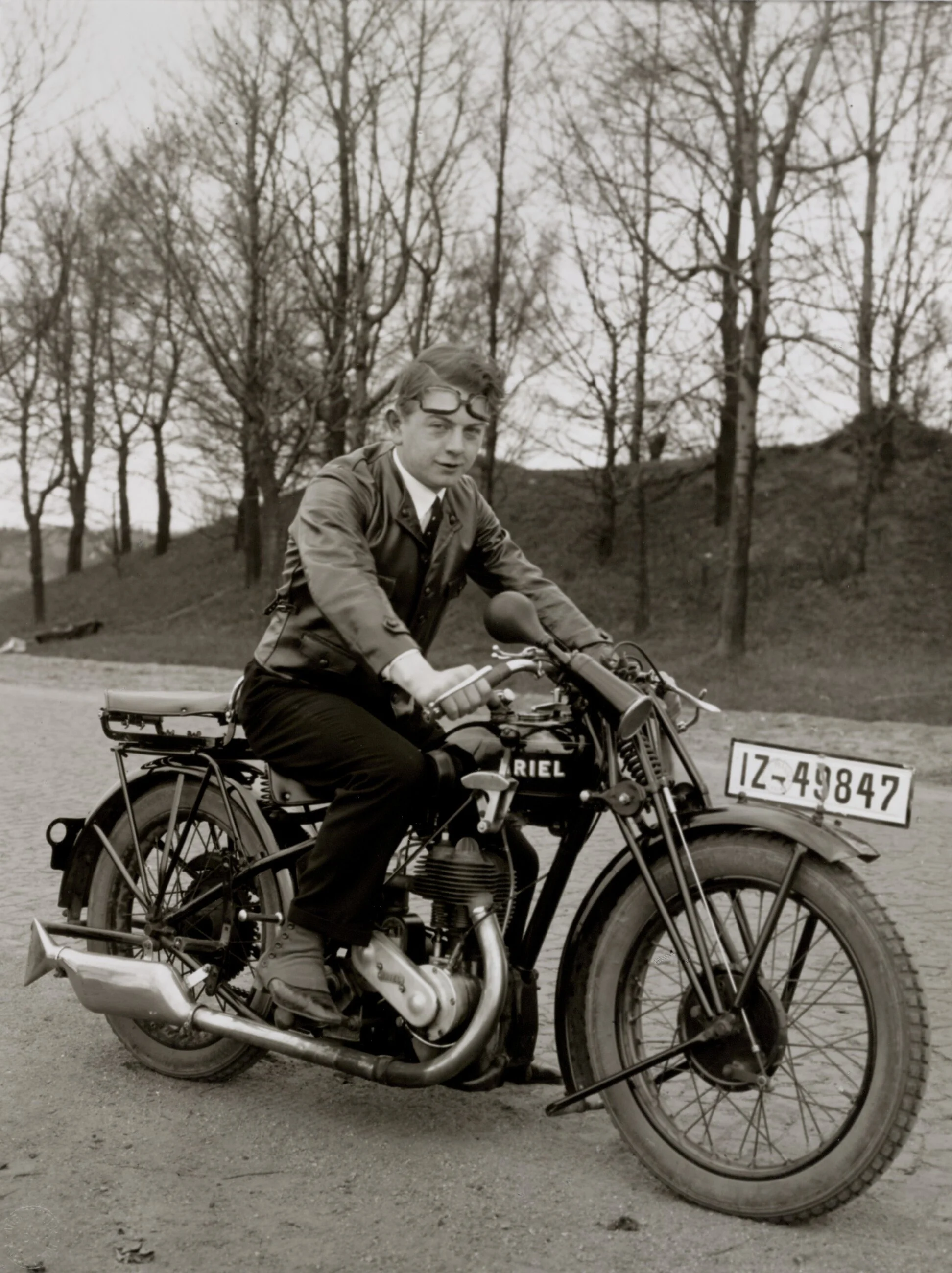
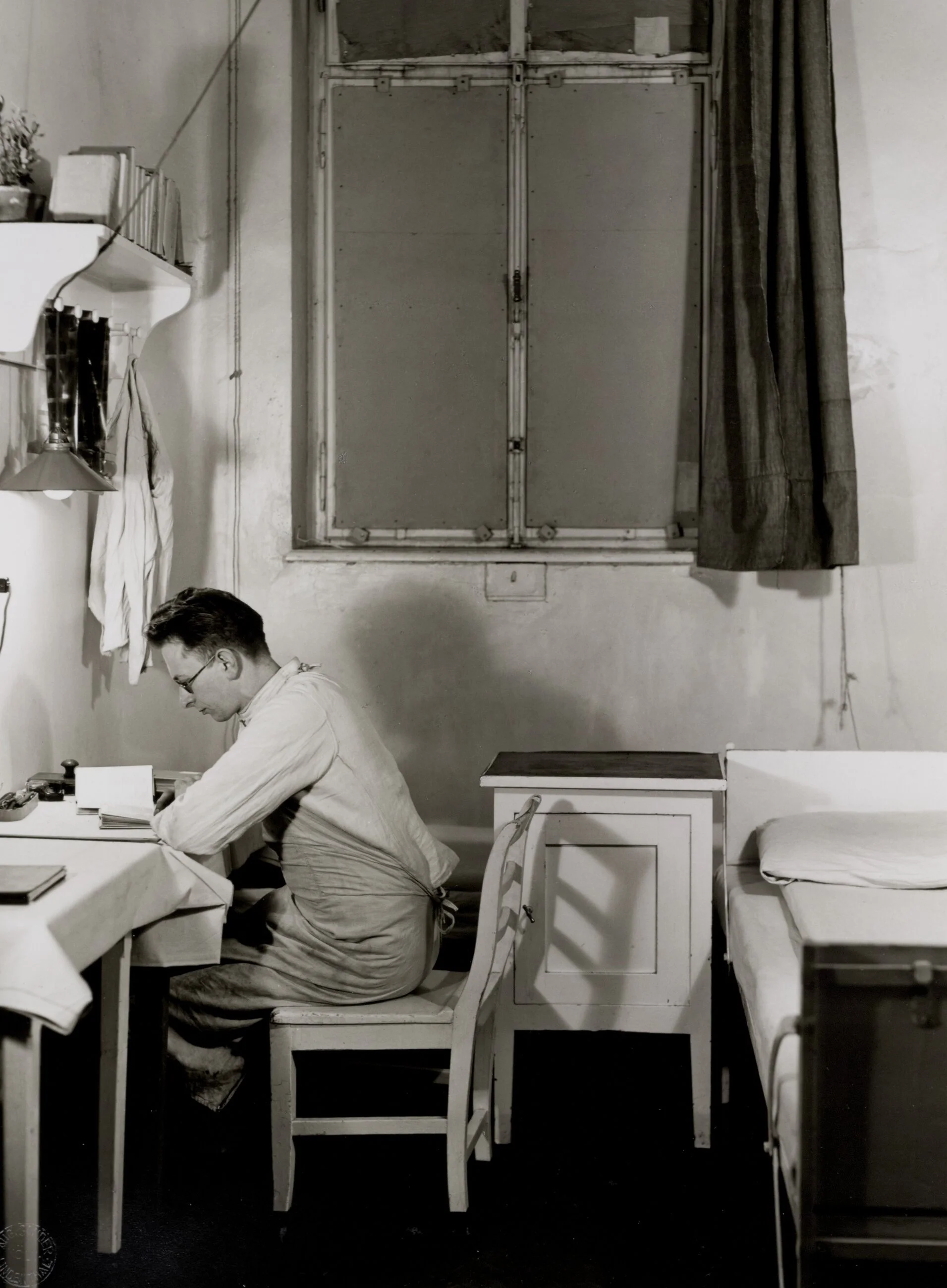
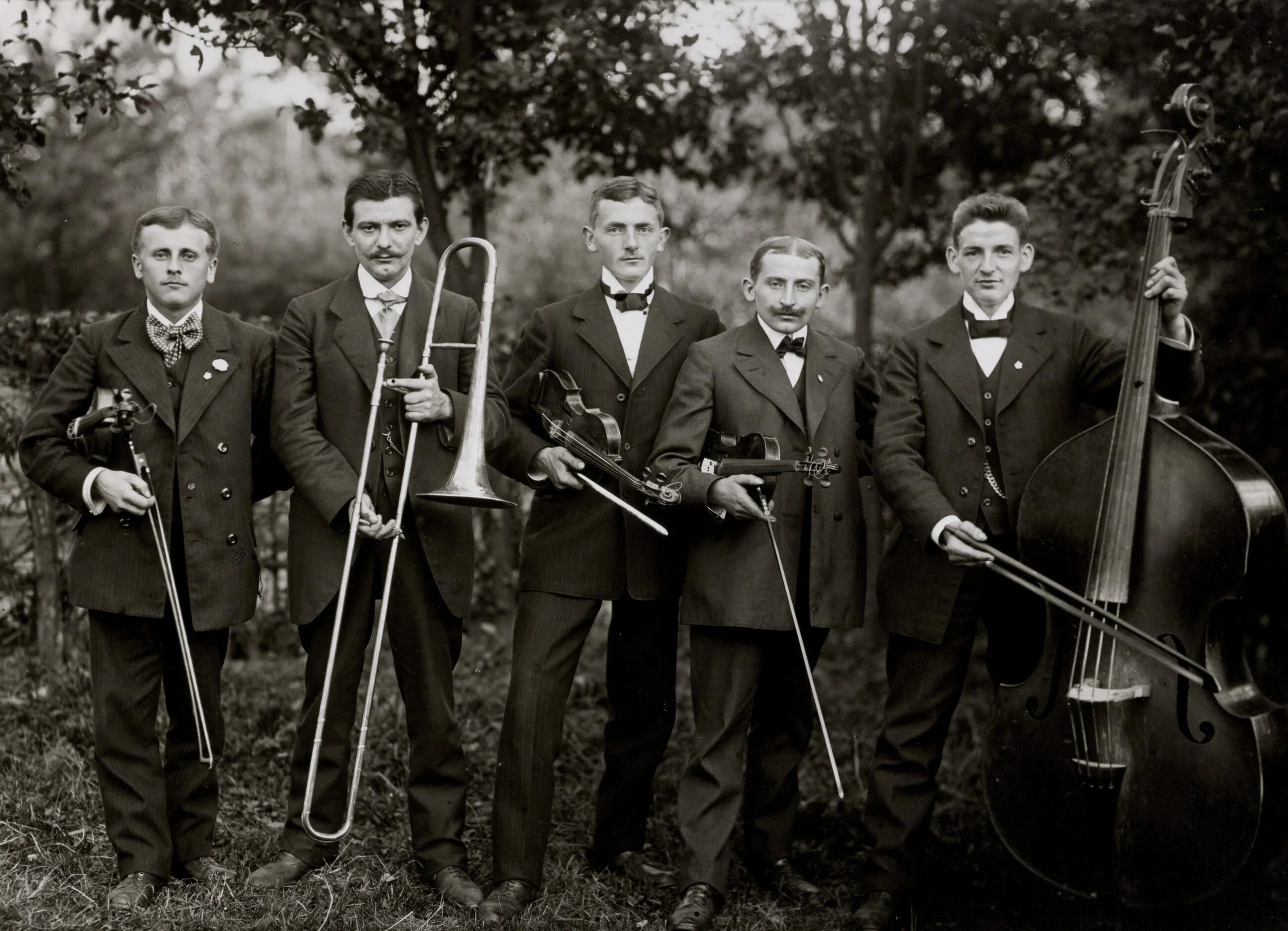
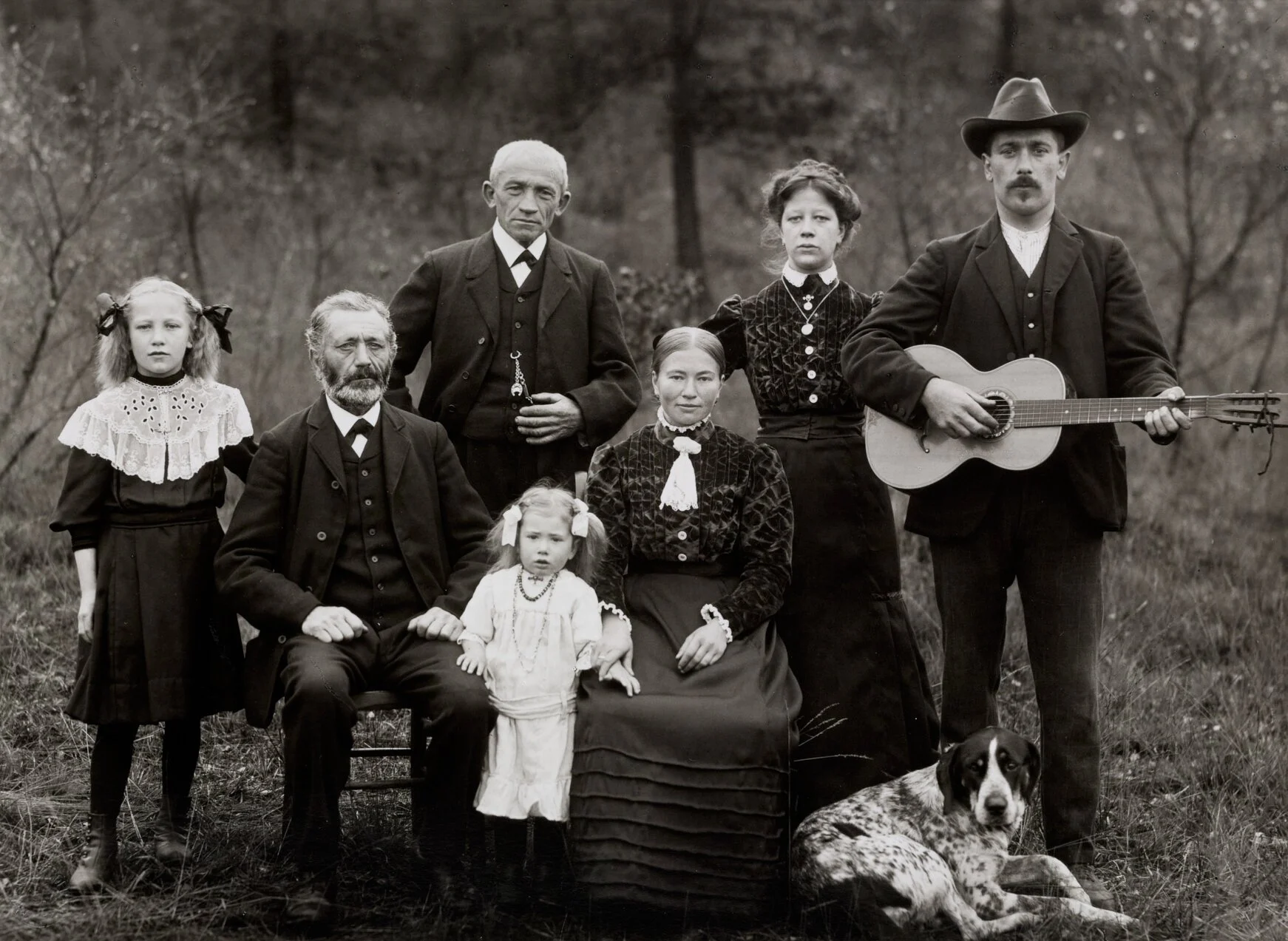
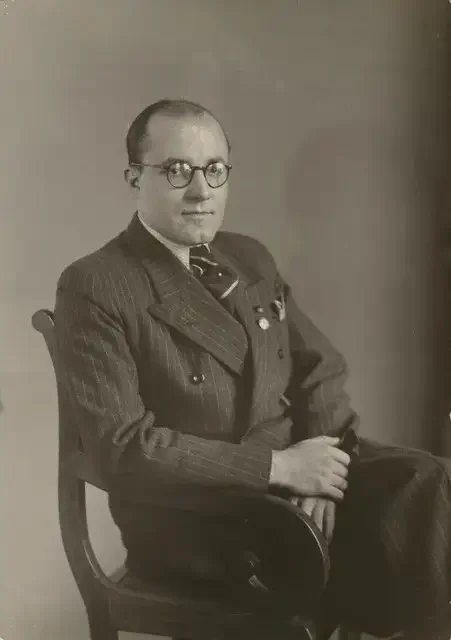
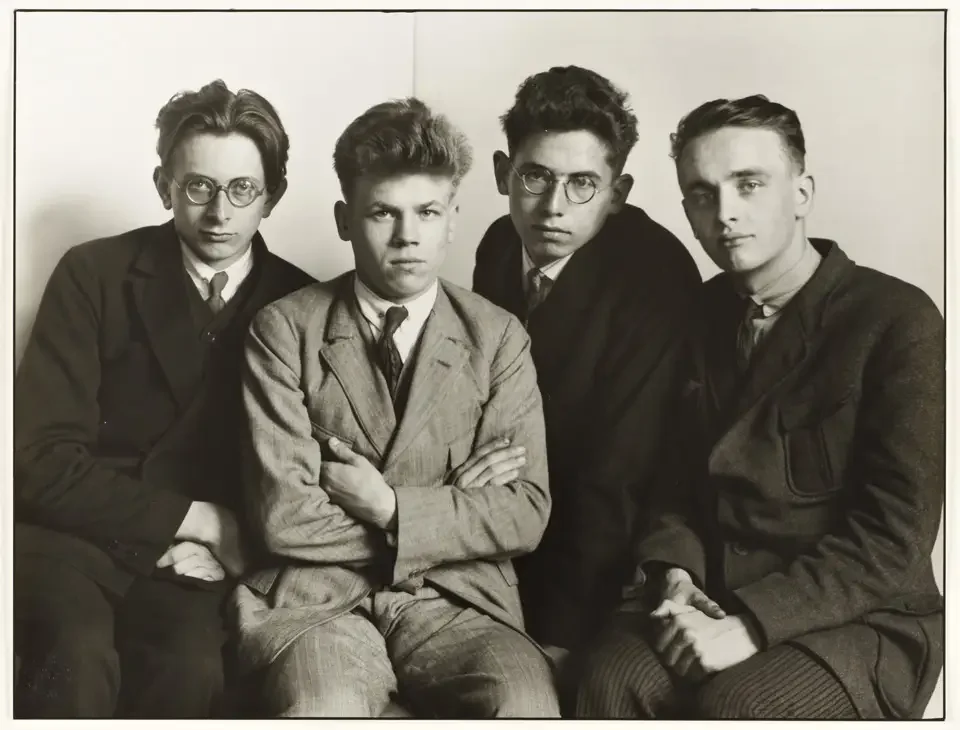
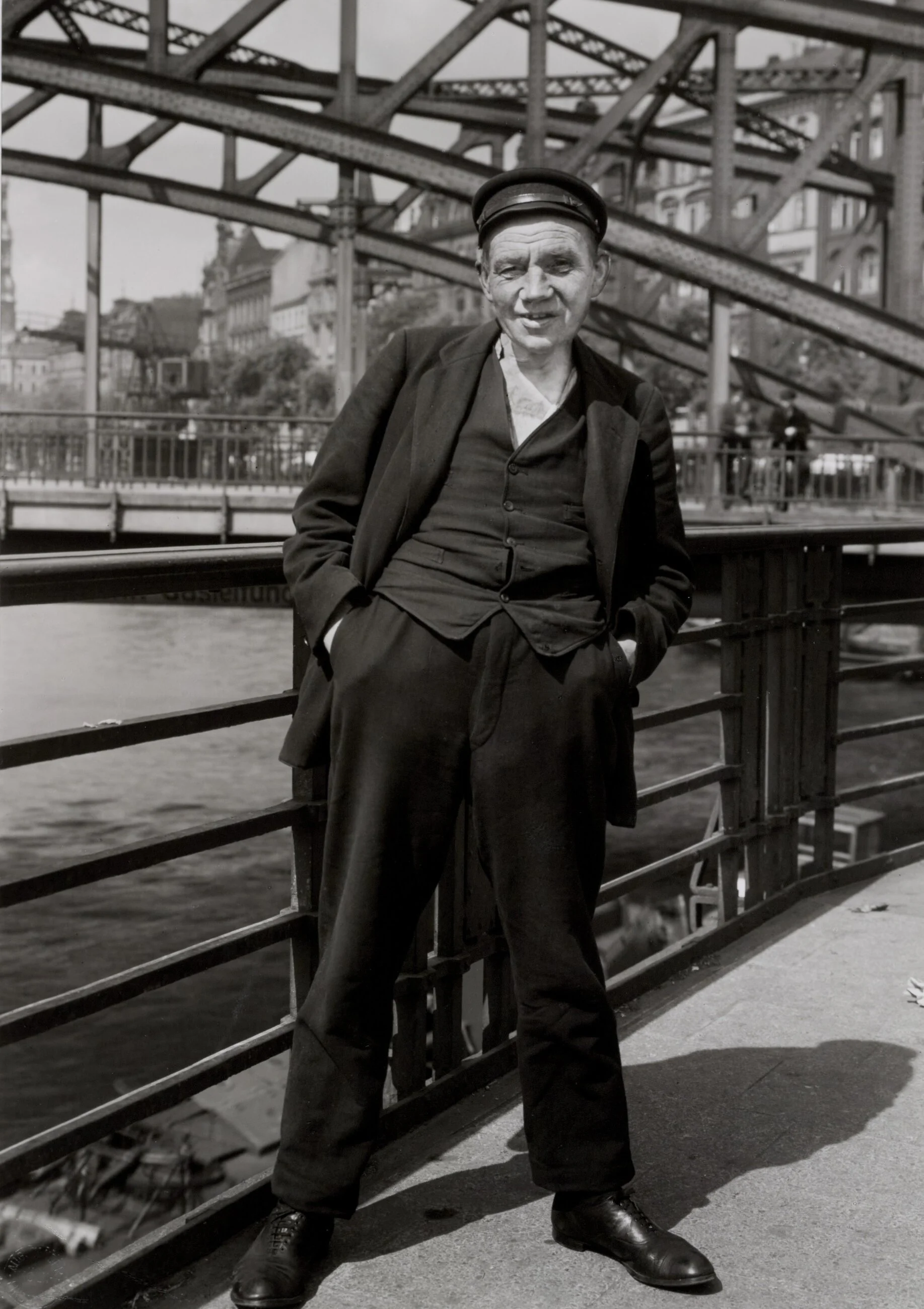
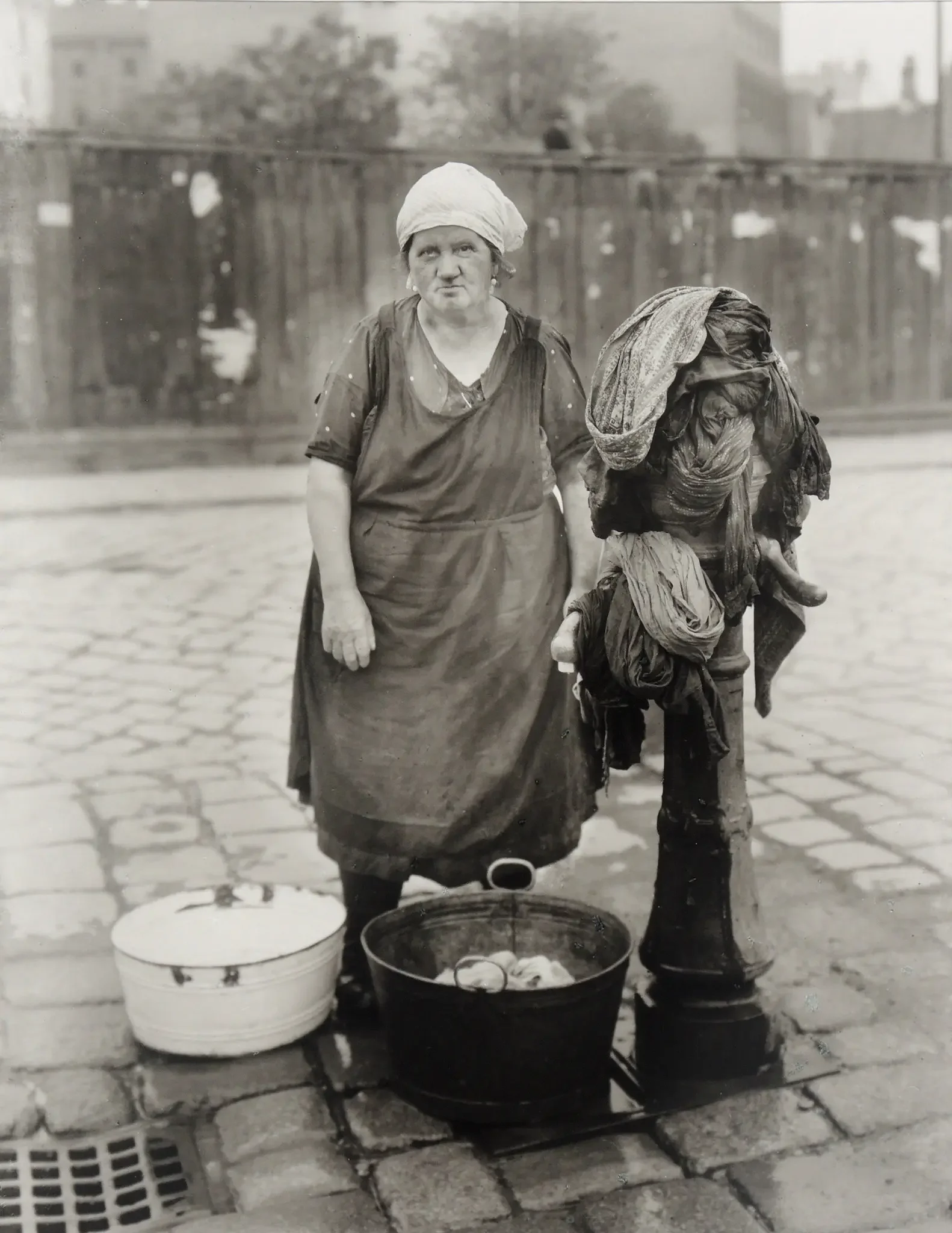
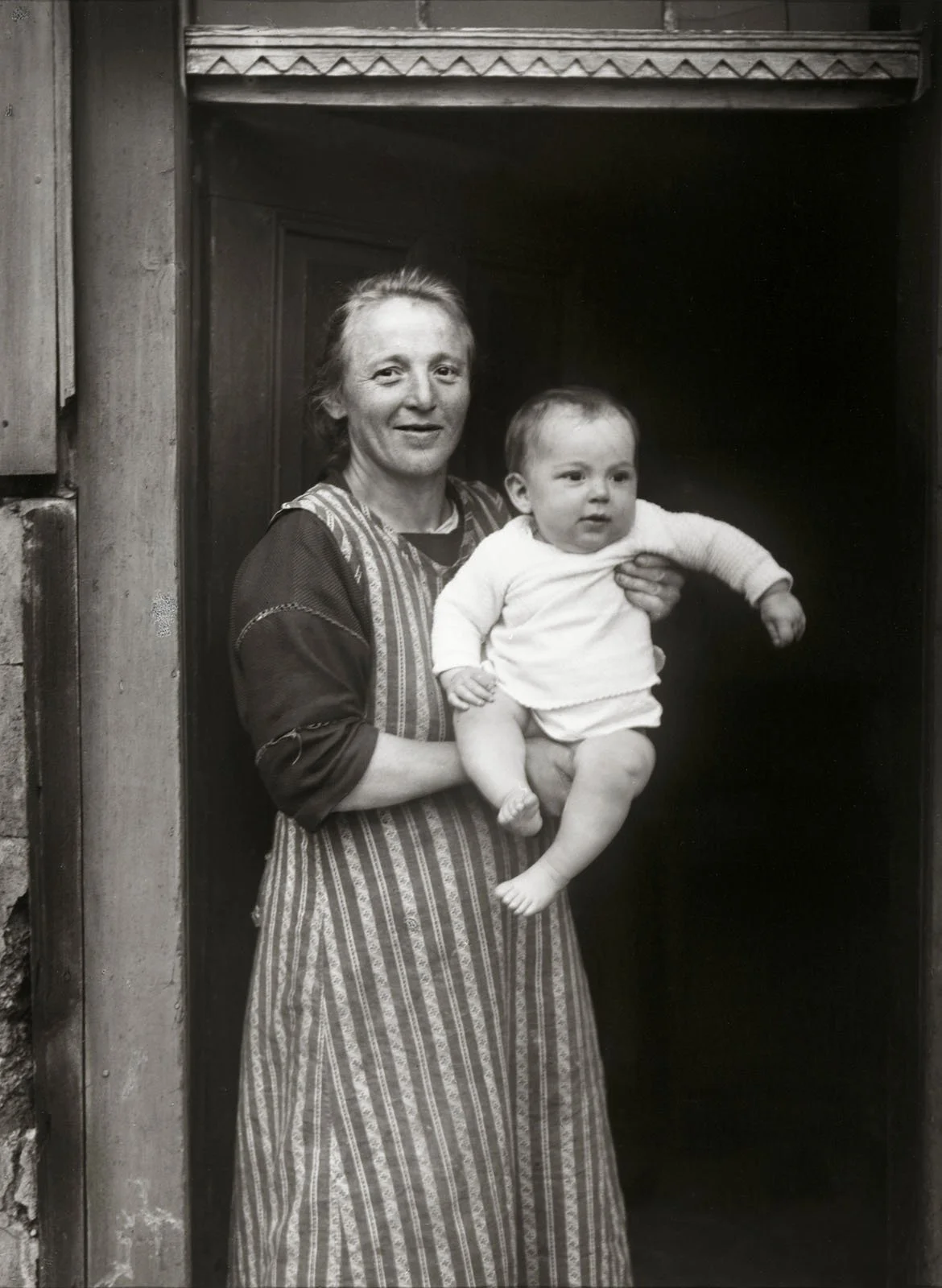
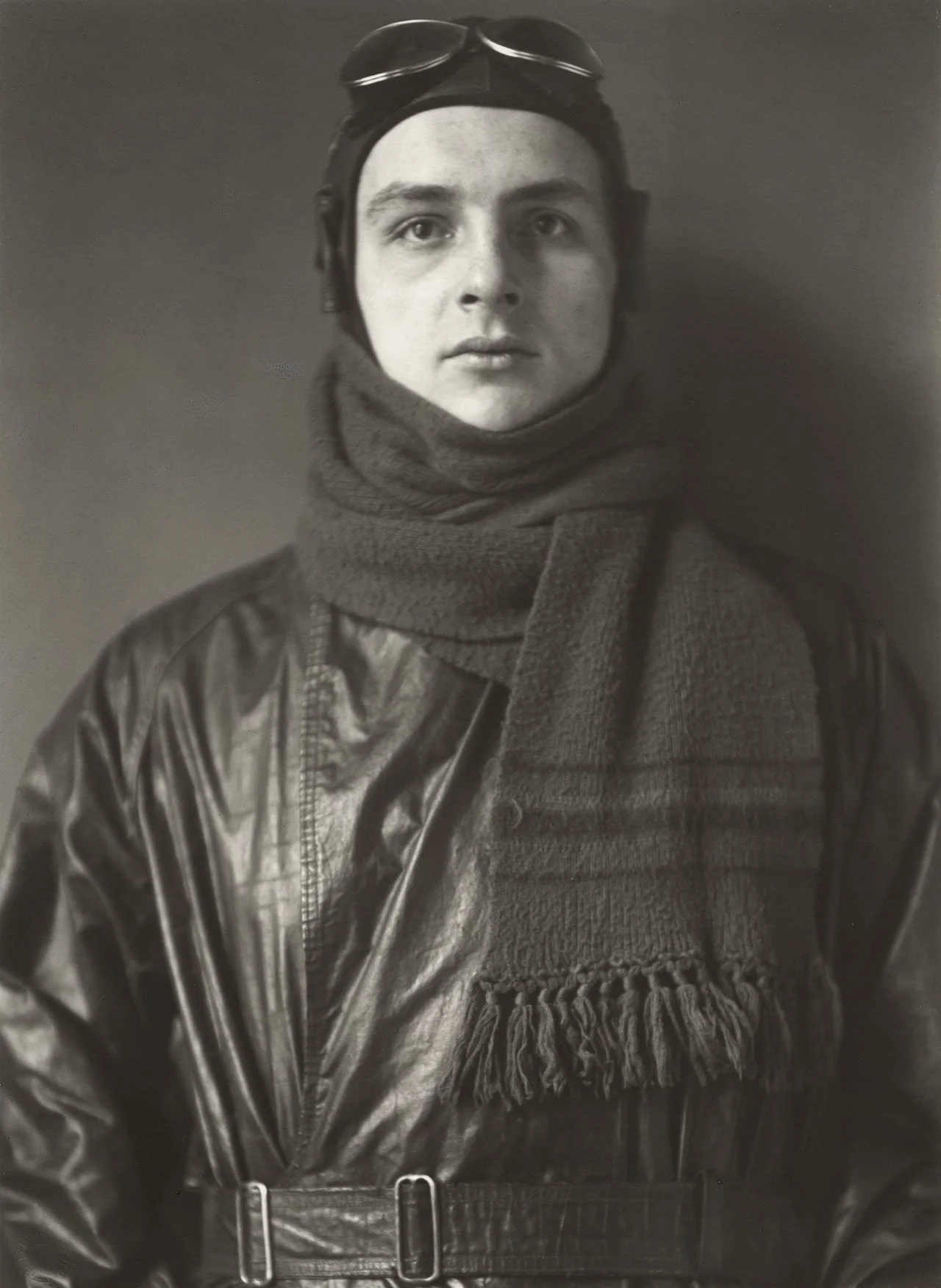
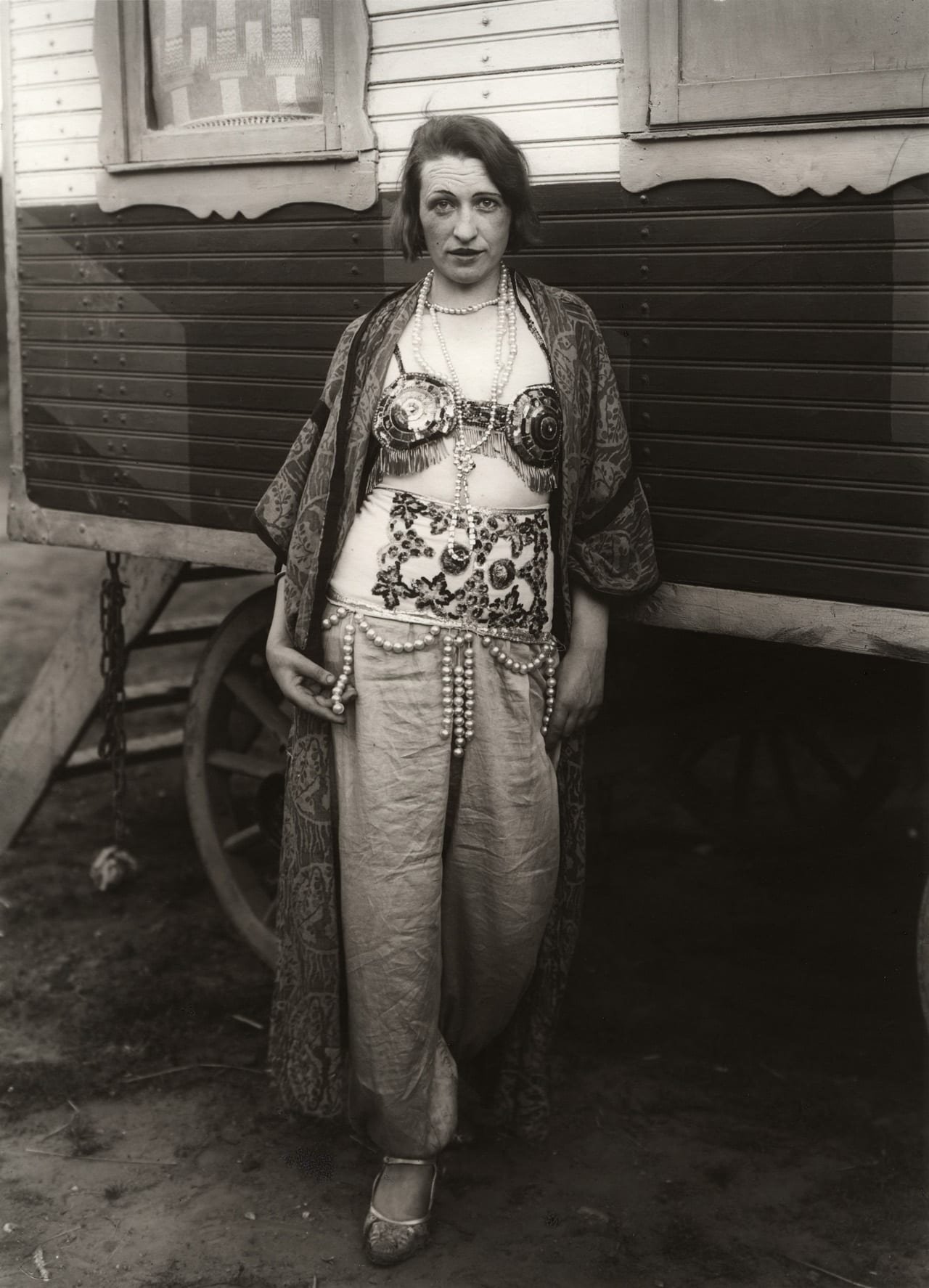
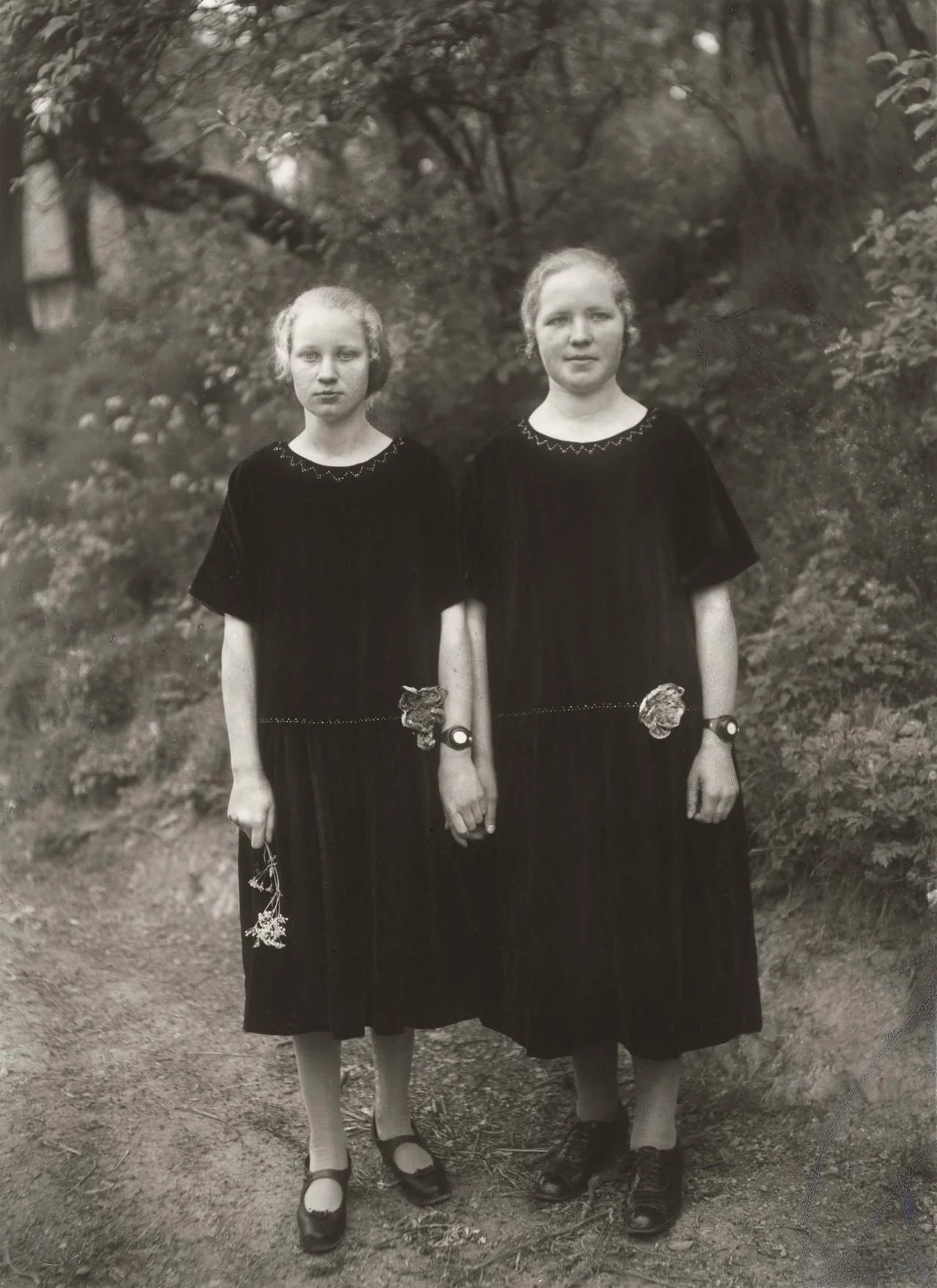
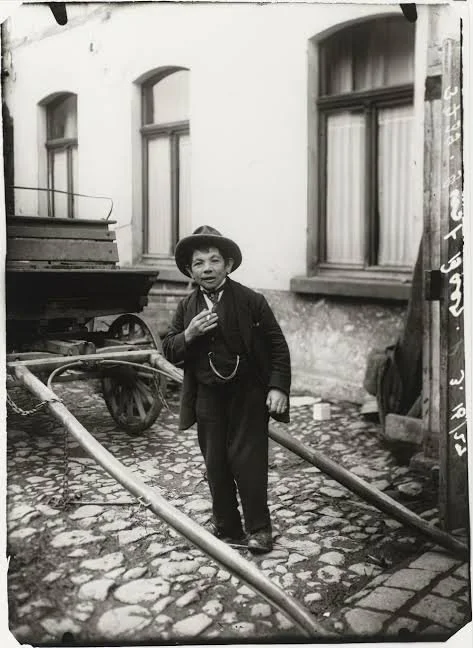
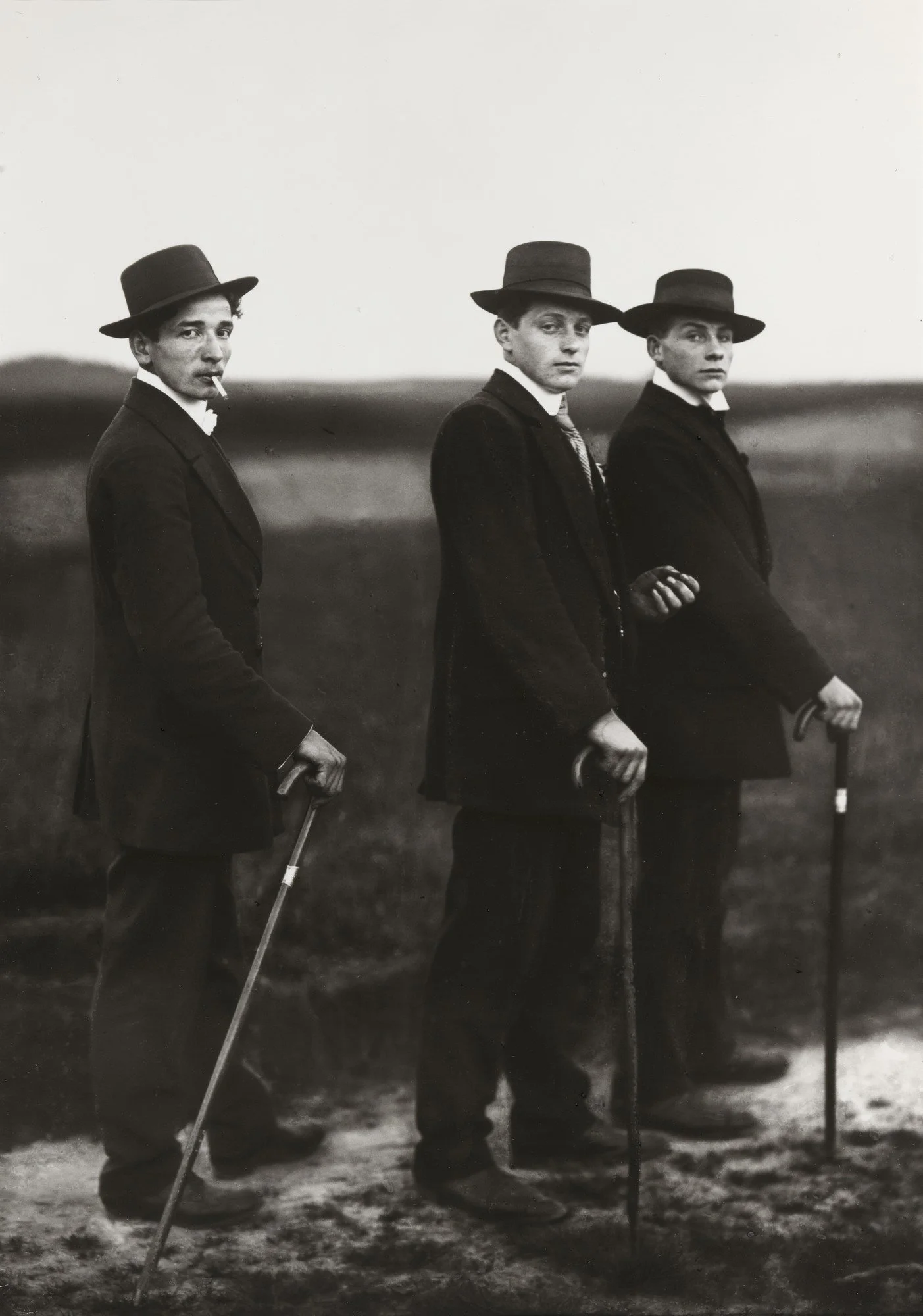
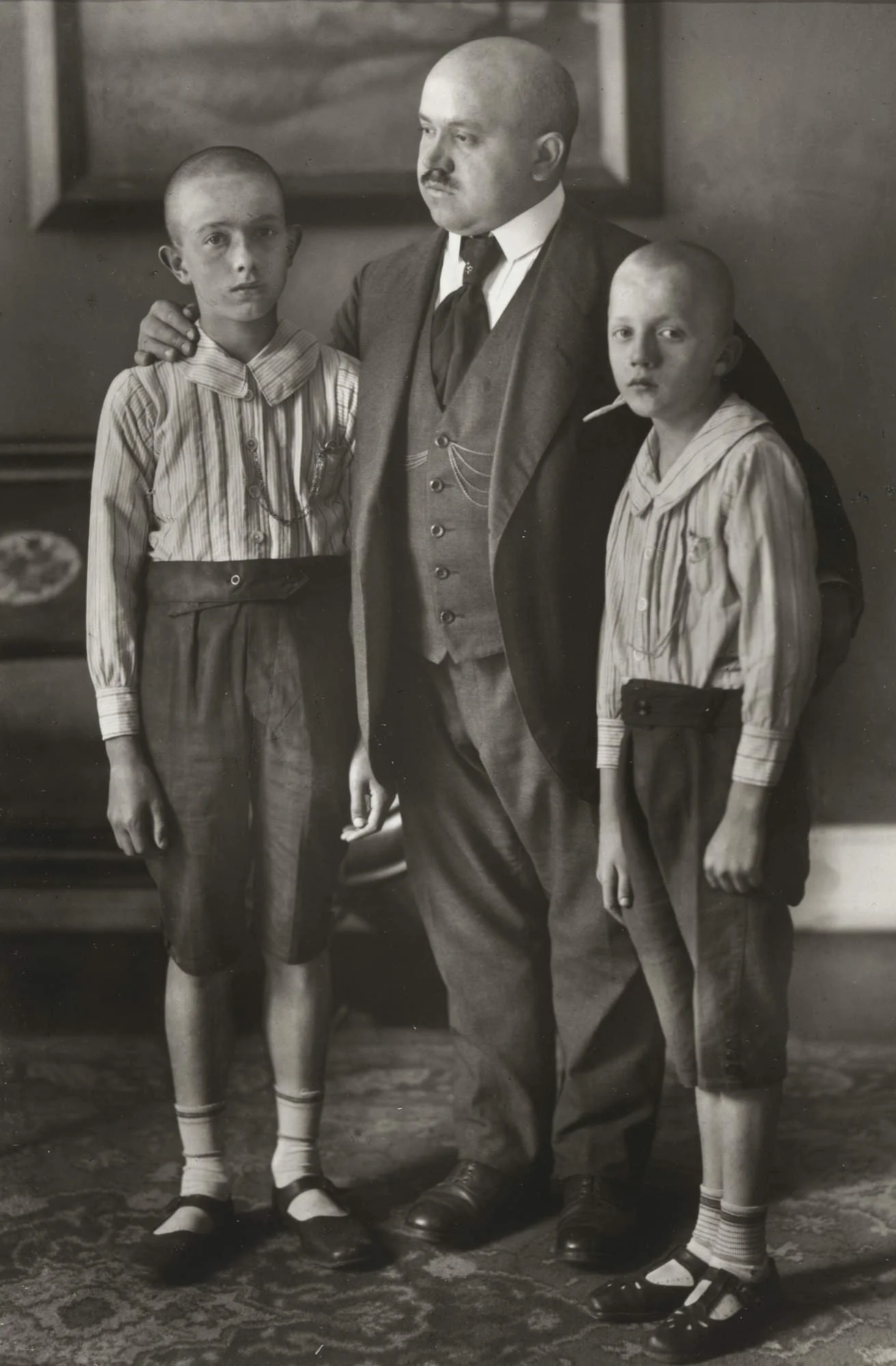
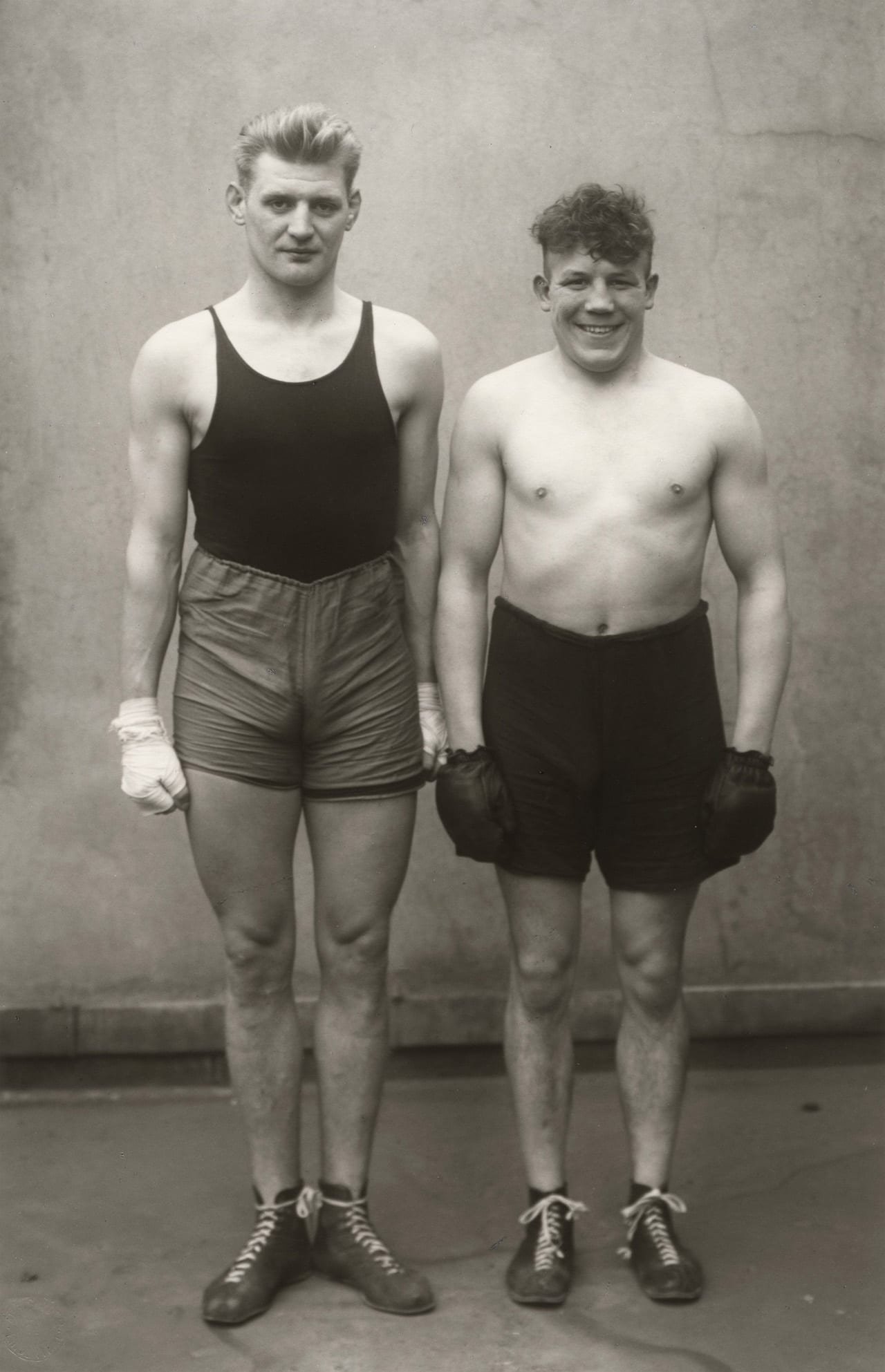
He photographed people according to their role in society: farmers, tradespeople, artists, bureaucrats, the unemployed, revolutionaries. What makes the portraits striking isn't drama — it's the opposite. Each subject is allowed to simply stand there, in their own clothes, in their own context, holding whatever posture felt natural to them. Sander wasn't interested in flattering anyone or telling them how to look. He wanted the sitter's own social role to come through on its own.
Technically, his style is almost stripped bare: careful attention to detail, a direct, head-on framing, natural light, and none of the artistic tricks — soft focus, dramatic shadow, staged composition — that a more romantic style of portraiture would have reached for. One contemporary critic praised this approach as producing portraits with an almost unsettling level of both physical and psychological truth. It's a similar instinct to what the photographer Alfred Stieglitz once said in praise of Paul Strand's work — pure, direct, without ornamentation or trendy "-isms," just the plain expression of the present moment.
The result is some of the most stripped-down, unadorned portraiture in the history of photography. There's very little Sander in these images, in the sense of visible artistic ego — the compositions are simple enough that nearly all the information the viewer receives comes from the subject alone.
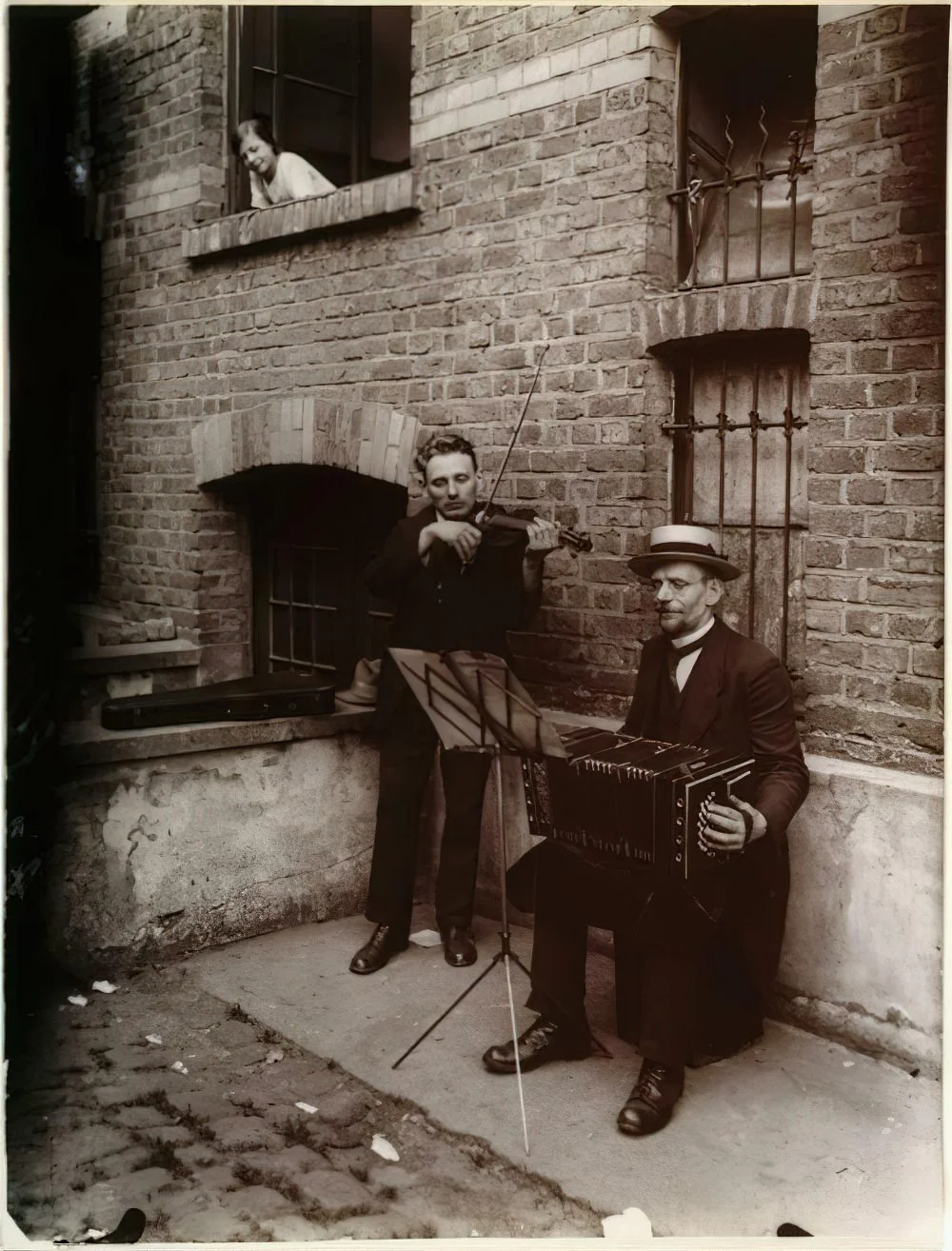
Faces as Social Masks
Sander's project was conceptual in a specific way: he was interested in types — the idea that a person's profession and class could be read, almost like a uniform, right off their face and posture. Taken as a whole, his portraits function less like individual biographies and more like a taxonomy of a society sorted by role.
The novelist Alfred Döblin once suggested that entire stories could be spun out of these images — that they worked almost like raw material handed to a writer. Decades later, Susan Sontag made a sharper version of the same point in her writing on photography: she argued that Sander wasn't so much hand-picking symbolic individuals as trusting that the camera itself would inevitably expose faces as a kind of social mask, whether he intended it or not.
Sander's own stated ambition was disarmingly simple: to represent the image of his era with total fidelity to reality through photography, and to tell the truth — plainly and completely — about his own time and its people.
Why This Still Echoes
Sander's influence runs surprisingly deep into photography as we know it today. Walker Evans, whose Depression-era American portraits share the same unglamorized directness, drew on Sander's example. So did Diane Arbus, whose portraits of people on the margins of society owe something to Sander's belief that a face, honestly photographed, will tell you more than any staged narrative could.
What Sander leaves behind isn't really a portrait of individuals at all — it's a portrait of a system, made one face at a time. And it raises a question that's still relevant every time you look at a photograph of a stranger: how much of what you're seeing is the person, and how much is the role society handed them to play?
Sources & further reading: Erich Stenger on Sander's technical approach; Alfred Stieglitz on Paul Strand; Alfred Döblin's writing on Sander's portraits; Susan Sontag, "On Photography" (1977).
